01
We stay when it gets hard.
When a young person resists, we adjust the approach. We don’t log the refusal and move on. Turning up again next Tuesday is the work, not the exception to it.
About
Solace Path Care is Mariam. Eight years in the disability sector, running allied health teams, managing audits, building (and exiting) a registered NDIS business, before she stepped back into direct support, because that was where she had always wanted to be.
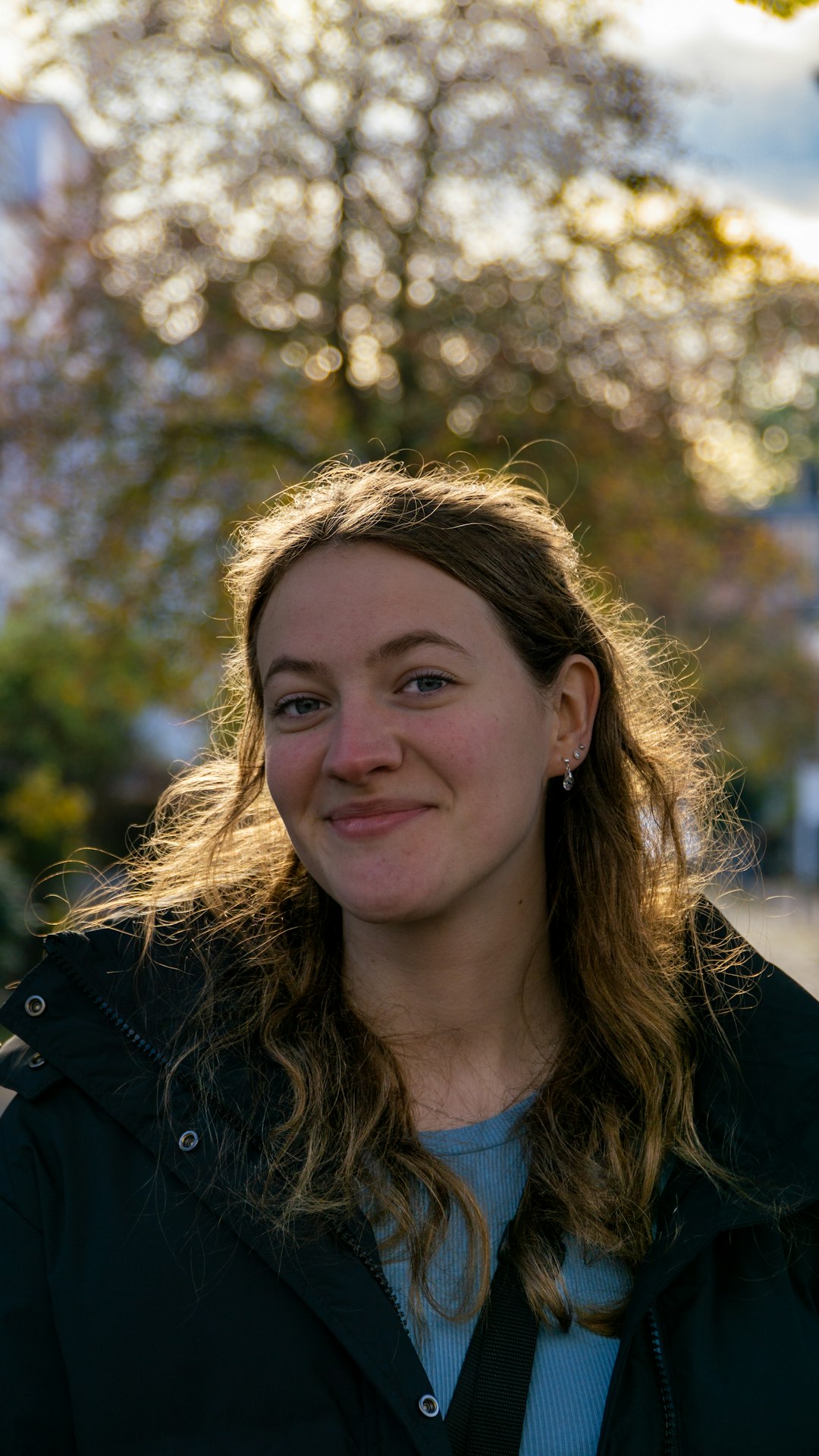
Mariam’s story
A path through the sector, the long way around.
At twenty-one, Mariam was the practice manager at a Sydney psychology practice. The clinic saw Medicare clients, no allied health, no NDIS to speak of. She spotted the gap. Inside three months she had posted ads, screened nine or ten allied health contractors, and spun up a whole NDIS arm from her own desk.
A year or two later she moved into HR at a disability provider, client notes, shift checks, onboarding, audit prep. Then onto Mable with her own caseload. Then into a partnership that built a registered NDIS business from scratch. She sold her share and went out on her own.
Eight years of allied health operations, HR, auditing, recruitment, program design, and direct support. A business degree on top. She knows how the back end of a disability business runs because she has built one.
And one more thing she does not always lead with, a car accident, a long rehabilitation, lived experience of the system from inside it. That changed how she saw the work. Not as a sector to operate in, but as a thing to get right for the next person.
What she set out to do
Sit with the family. Understand the goals. Then work toward them, for as long as it takes, through the resistance, through the slow weeks, until something shifts.
As Mariam put it: “I feel like I’m actually supporting someone. I’m actually making a difference. Adding to their life.” That sentence was the reason she stepped out of operations and into direct support. The business runs on that instinct.
Vision
If Solace Path Care succeeds, young people with disabilities leaving school stop falling into a void. They have someone walking beside them as they build routines, gain confidence, develop social skills, and move into adult life with real momentum.
Families stop accepting stagnation as normal and start seeing measurable progress in their children’s independence, employment readiness, and everyday participation. The gap between what the NDIS funds and what actually gets delivered closes, for the people this business touches.
Mission
We deliver one-on-one, community-based support structured around each young person’s actual goals and built to produce measurable progress over time.
We sit with the family before the first shift. We review the goals, ask what has been tried, and build the support approach around the answers. Support is delivered individually in the community. The worker follows the plan and actively encourages every step toward the goal.
The work is developmental. Community access is the vehicle for building independence, social skills, confidence, daily routines, and workplace readiness. When the young person is ready, the support progresses with them, into job search, attending shifts, holding a role.
Pace adjusts to the individual. Progress is tracked through observable outcomes, families noticing calmer evenings at home, allied health professionals seeing shifts in their own assessments, employment agencies recognising readiness.
Values
Not slogans. The standard the whole business is measured against, every conversation, every shift, every week.
01
When a young person resists, we adjust the approach. We don’t log the refusal and move on. Turning up again next Tuesday is the work, not the exception to it.
02
Our workers know what we’re working toward on day one and chase it every shift. If something’s not moving, we address it, we don’t work around it.
03
Many families have spent years being told what they want to hear. We bring the honest version, what’s actually working, what the funding can produce, and what their young person is ready to do next.
04
Nobody should feel managed or supervised. The tone is personal, the support travels with the young person, and the moments add up to a life they recognise as their own.
05
Not vague progress. Specific things. A bus caught. A counter ordered at. A shift held. Allied health and families noticing without being coached to look.
What sits behind the work
Mariam isn’t a frontline worker who decided to start a business. She built the back end of disability businesses for others first. That experience now sits behind every conversation.