For families
The next chapter, at the pace your young person can hold.
You have been at this a long time. We are here to make the months ahead feel different, to show you what your young person is ready to build, and walk alongside them while they do it.
What you can expect
A first conversation at your kitchen table, then a handful of things kept consistently.
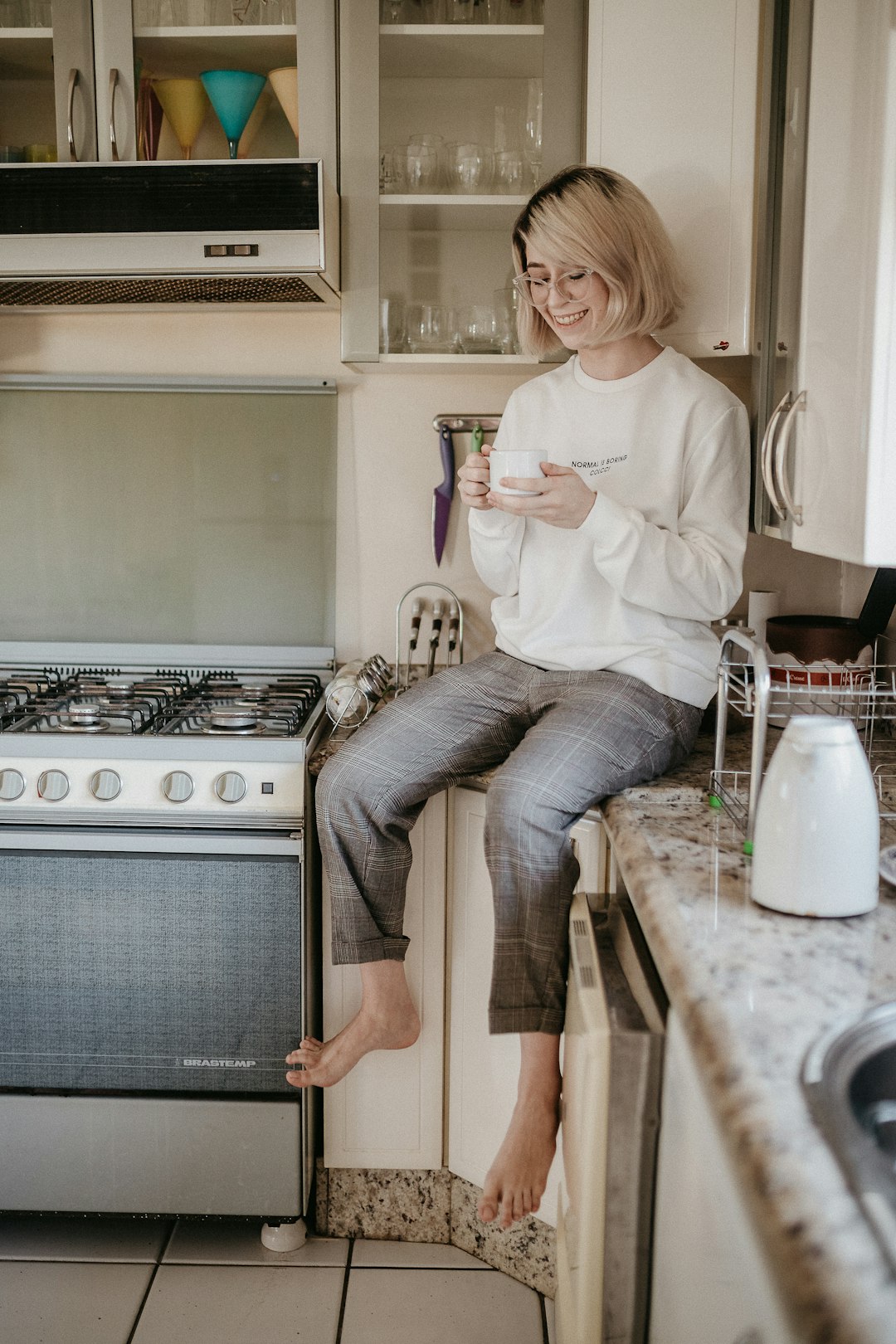
Before any shifts start, we sit at your kitchen table. No clipboard. Two mugs of tea. We ask three questions, then we listen.
- 1.What has been tried, and what has worked.
- 2.What your son or daughter is ready for next.
- 3.What you actually want for them six months from now. The answer to that one shapes the first phase of support.
- We commit to a specific first-phase target before any shifts start.
- We tell you what was worked on each session, you don’t have to chase us.
- We tell you what your young person is ready to do next, even when you’ve stopped expecting it.
- If we aren’t a fit, we say so plainly, and we tell you why.
What changes at home
The first signals show up at the kitchen table.
These are the kinds of moments families have described to us, often before we’ve raised them.
“He’s calmer when he gets home. He’s started talking about his day at dinner. I hadn’t heard that in years.”
“She came out of her room when family came over. First time in three years.”
“He mentioned what he wanted to do on Saturday. Before that, he never said anything about tomorrow.”
From a mother
“For three years after my son left school, I watched him sit at home. Every provider said the right things at the start. Nothing changed. I stopped asking.
When Mariam came to our kitchen table, she did not promise me anything. She asked me what had failed. She asked me what I actually wanted for him.
Within a few months, he was calmer. He was talking more at dinner. He wanted to leave the house. I did not have to point it out to anyone. I could see it.”
The questions we get
Straight answers.
How is this different from what we have already tried?
Every session is tied to something we’re actively trying to move, and the worker follows that, not the mood of the day. If they resist, we adjust the approach, but we don’t abandon what we’re working on. And you hear about what was worked on, not just that a session happened.
How long before we see anything?
Families have noticed small shifts at home inside the first two months. The bigger changes, confident transport, a regular job, a routine that holds, sit further out, and we’re not going to promise them on a timeline. The first thing you should see is more concrete communication from us. Then a willingness in your young person that wasn’t there before.
What if they don’t want to leave the house?
Most of the young people we work with don’t, at first. That is the work. We don’t force, but we don’t give up either. We show up, we sit on the front step, we walk halfway and turn around. Trust is the first thing we have to build, before anything else can move.
Where do you work?
Inner West Sydney and Canterbury Bankstown. We come to where your young person lives and into the community around them.
Who is the right fit?
Young adults sixteen to early adulthood with autism, intellectual disability, or psychosocial support needs. If you’re not sure, drop us a line, we’d love to hear about them.